If you need an item that will be resistant to the elements, stainless steel is perfect. It comes in many different sections and thicknesses with differing properties to suit every job.
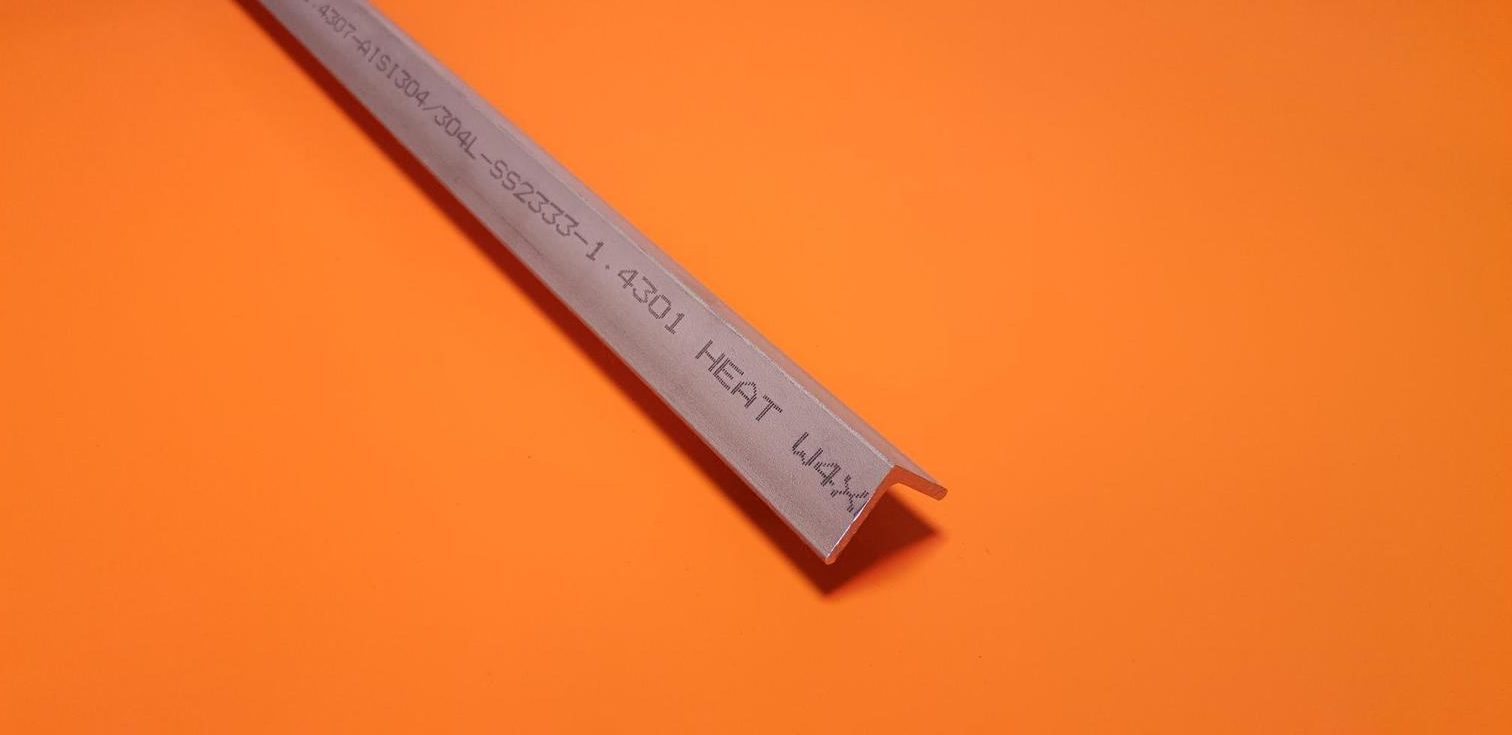
Angle
Box Section
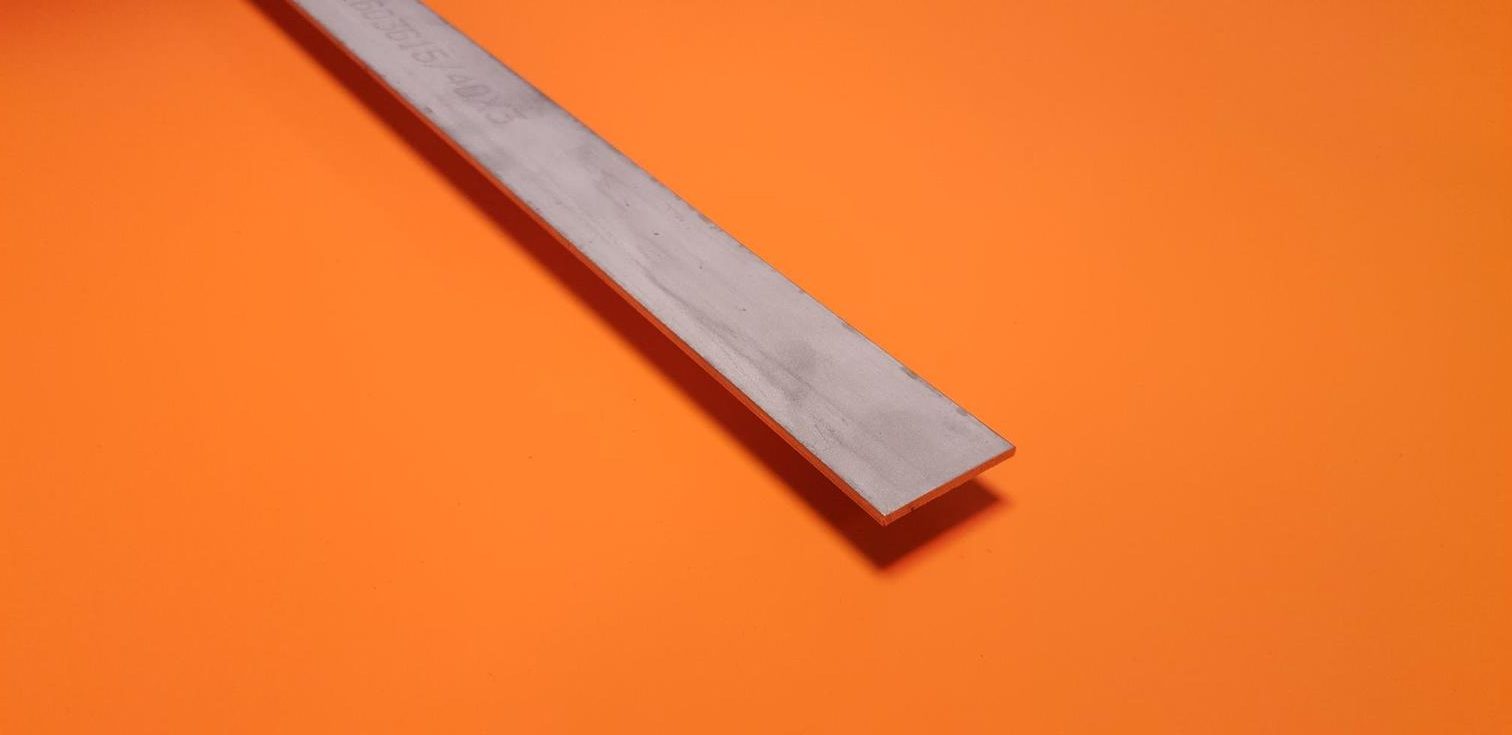
Flat
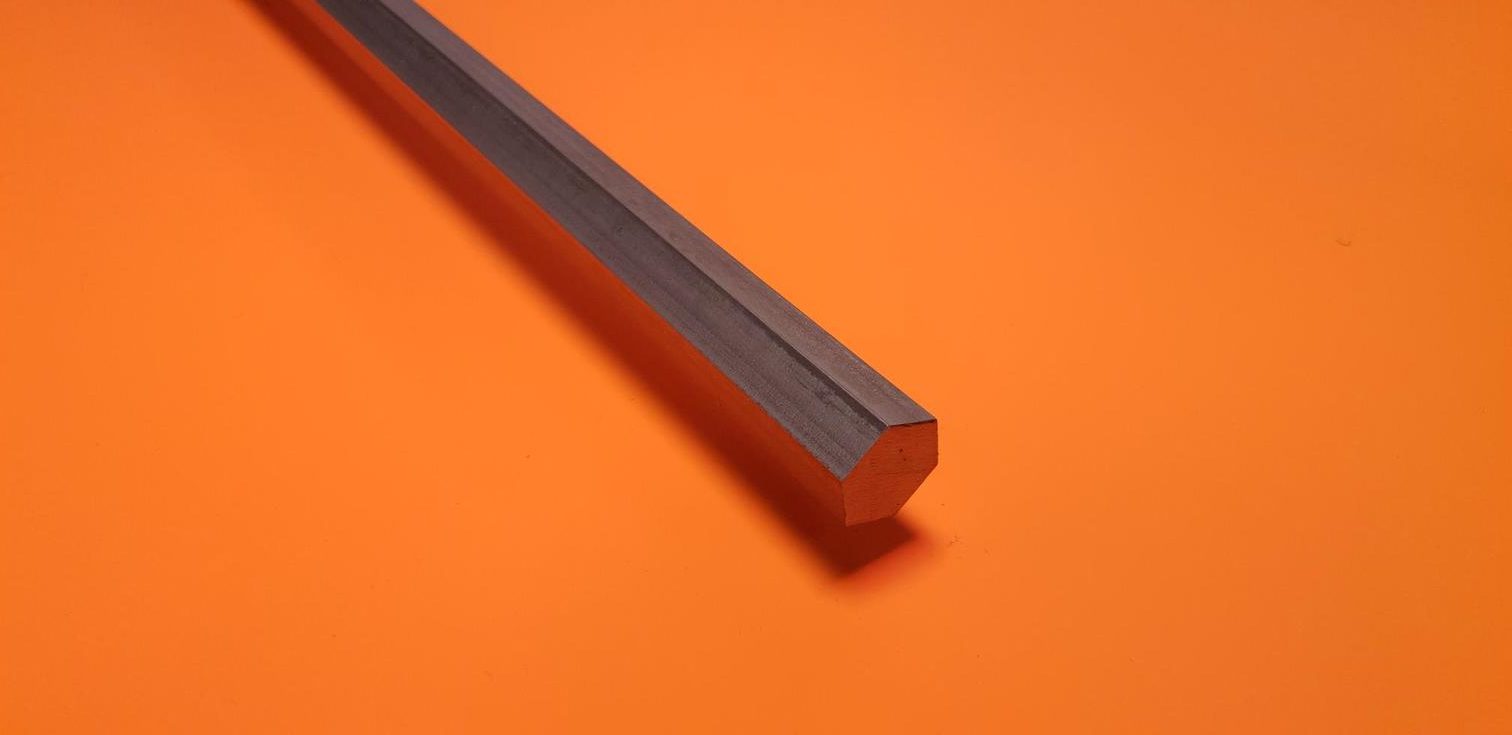
Hexagon
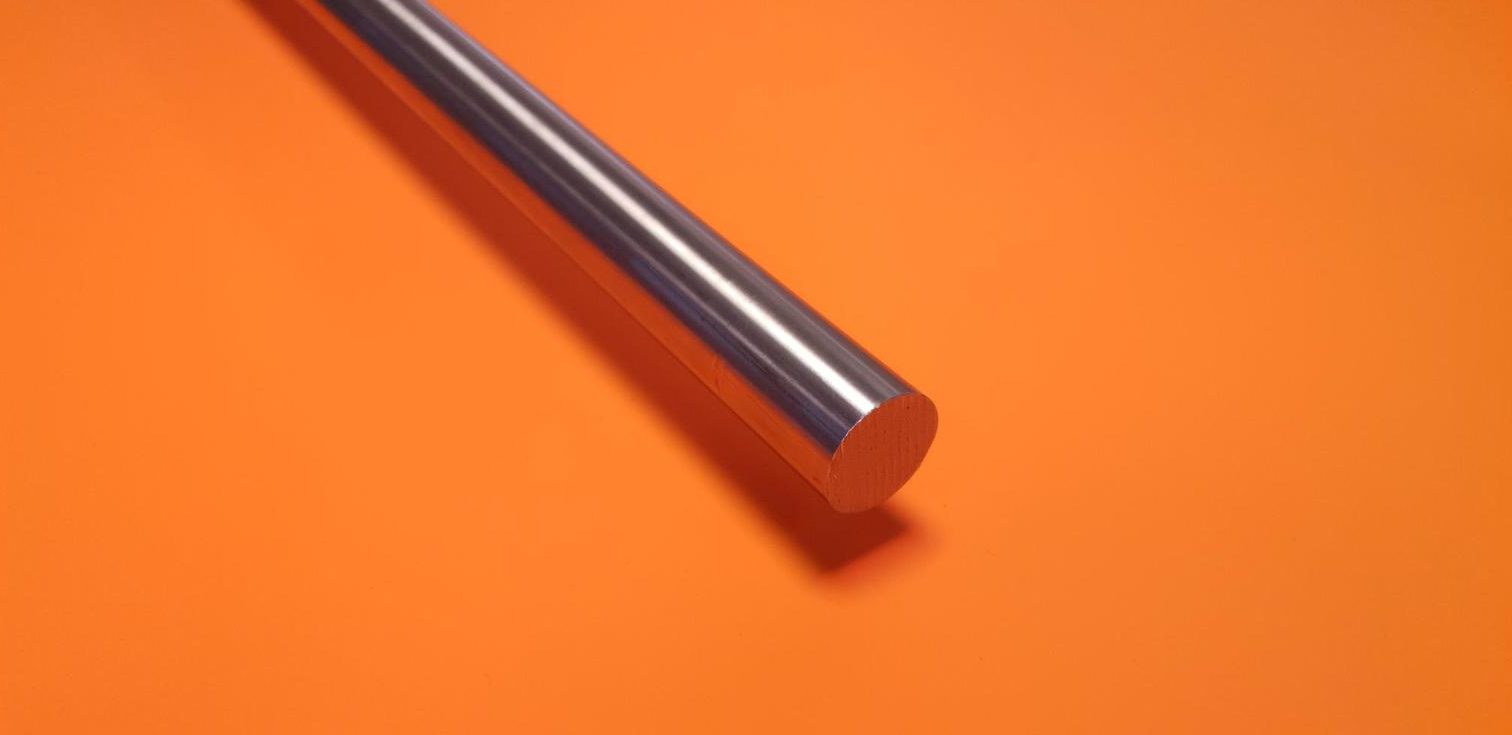
Round
Round Tube
Sheet
Square
FREE RAPID DELIVERY
On all mainland UK deliveries for orders over £120 + VAT
In broad terms, the composition of stainless steel isn’t too different from standard steel. It’s still primarily made from iron and carbon. The different is that in addition to these basic elements are others mixed into the alloy. Chromium is the key addition to give steel stainless properties, but nickel, nitrogen and molybdenum can also be added in varying quantities to alter the properties of stainless steel.
The basic raw materials of steel, iron and carbon, are first melted in a furnace (usually an electric arc furnace in modern large-scale steel production). After many hours of heating the mixture becomes molten and is transferred to a vessel called a converter.
An oxygen/argon gas mixture is injected into the molten steel in the converter to remove excess carbon. At this stage, the different elements needed for stainless steel are added to the molten steel, in the correct amounts and proportions to give the desired grade and properties of metal.
The mixture is stirred to further remove unwanted elements, improve the final product’s consistency and to monitor its chemical properties.
The molten stainless steel is then formed. This can be done by pouring it into moulds (casting into blooms, billets, rods or tubes) or rolling formed steel to create other shapes such as wire, bar, plate, sheet and strip steel.
Despite its different chemical composition from standard steel, stainless steel is still a ferrous metal. Consequently, it is both machinable and tough, making it ideal for use in manufacturing and construction.
The corrosion resistance of stainless steel makes it ideal for all sorts uses where resistance to weathering, corrosion and degradation are required. Areas where stainless steel is commonly included in structural and decorative elements for architecture and civil engineering, automotive and aerospace components, machine and production tools, culinary utensils, household fittings and medical instruments.
Stainless steel is an extremely weldable metal, and there are a variety of ways in which welding can be achieved. These methods include metal inert gas (MIG), tungsten inert gas (TIG), and manual metal arc (MMA) welding. Therefore, the welding of stainless steel can be carried out by both novices and professionals.
As a rule of thumb, all stainless steel should be welded with the same grade of MIG wire, TIG wire, or welding rod, or a higher grade. This is because welding with a lower grade may result in cracking, breaking, and a lack of fusion.
We offer a rapid delivery service on all Stainless Steel products depending on stock levels. Alternatively you can order online and collect in-store at our Redditch or Nuneaton branches.
Order today with RAPID Metals
Simply select your size and quantity and add to your basket ready for UK-wide delivery.
Please contact us if you need a specific size that you can’t find on our website or if you require any further advice or guidance.
We look forward to hearing from you and helping you bring your construction ideas to life.
NEED SOME HELP
No matter how big or small your project is, our friendly team can help.
To find out more about buying from Rapid Metals, please get in touch.
We use cookies to ensure that we give you the best experience on our website. If you continue to use this site we will assume that you are happy with it.
 Angle
Angle  Box Section
  Channel
  Aluminium Flat
  Hexagon
  Round
Round  Round Tube
  Aluminium Sheet
  Aluminium Square
  Tee Section
  Tread Plate
  Oval Tube
  Threaded Rod
  En24t Cut Block
  Rectangular
  Round
Round  Square